It’s tempting for brands and web design agencies to chase the latest design trends.
Bold color schemes, minimalistic layouts, futuristic animations, and the newest UI frameworks dominate presentations and pitches.
Everyone wants a website that looks modern, sleek, and Instagram-worthy.
And while a visually appealing site certainly matters, focusing on design trends over user experience (UX) is one of the most common reasons Egyptian ecommerce stores and business websites fail to deliver meaningful results.
Here’s the reality, a website that follows every design trend but ignores UX will frustrate users, reduce conversion rates, and eventually undermine all marketing and media buying efforts.
Businesses in Egypt often measure success by aesthetics or awards rather than functionality, forgetting that the primary role of a website is to guide users through a journey that results in revenue, leads, or engagement.
A flashy design may win admiration, but without clear navigation, intuitive flows, fast load times, and mobile-friendly performance, your website becomes a vanity project instead of a growth engine.
The UX vs Design Trend Dilemma
Most website design agencies in Egypt operate in a world where visual appeal equals value.
They showcase templates and portfolios full of trending styles, but rarely focus on whether these choices make users act. UX, by contrast, is invisible when done right.
It’s the thought process that anticipates every interaction, every click, and every user expectation.
A poorly considered UX leads to abandoned carts, high bounce rates, and wasted ad spend issues that even the most attractive designs cannot fix.
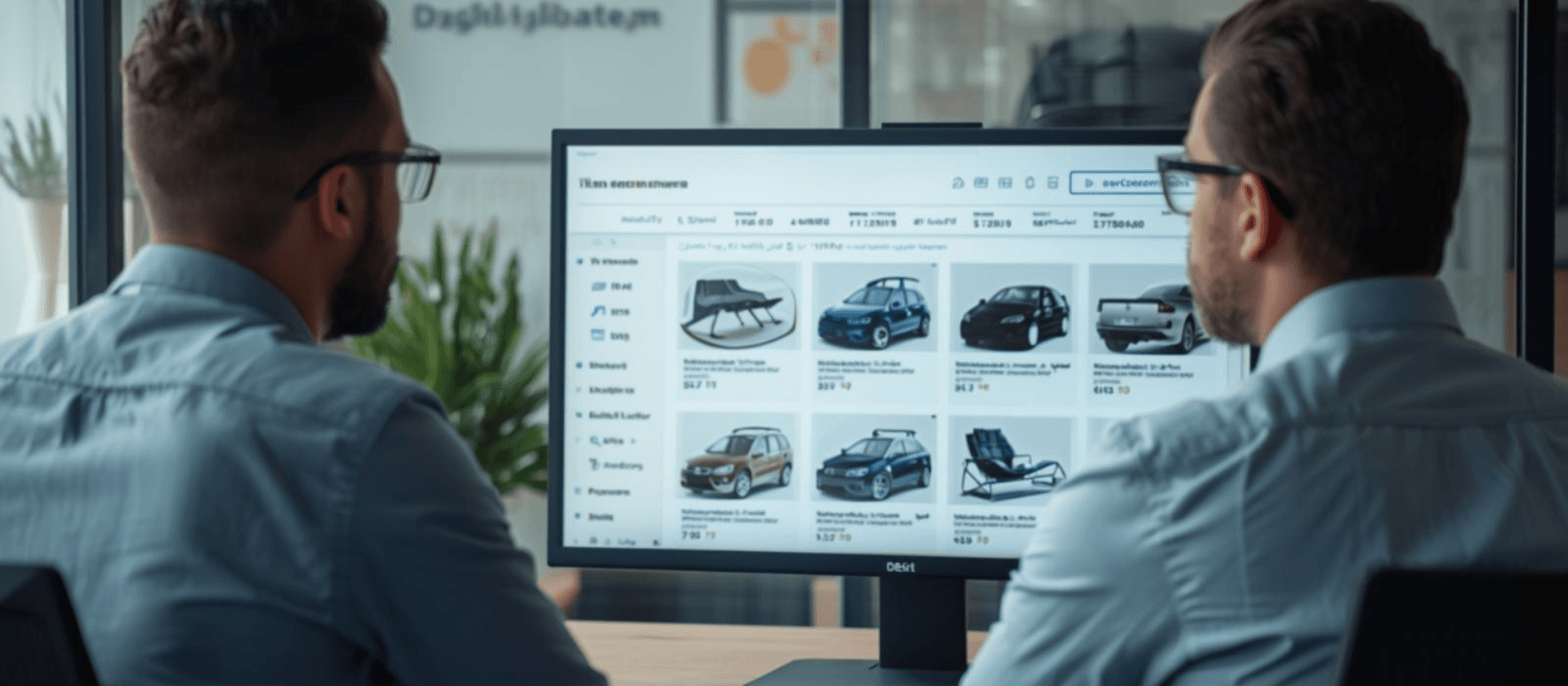
For example, consider a website that uses large hero images because it’s a trend.
While it may look impressive on a laptop screen, it might push crucial CTAs below the fold on mobile devices, where most Egyptian users interact.
Similarly, flashy animations may slow down page load speed, directly impacting conversion rates and ROI from paid media campaigns.
UX decisions, unlike design trends, are rooted in behavioral data, psychology, and tested pattern they prioritize the user’s journey over aesthetics.
UX Drives Revenue, Design Trends Drive Likes
Here’s the critical distinction: design trends can make a site visually appealing, but UX drives measurable business outcomes.
Good UX guides a visitor to take action sign up, purchase, or interact without friction.
It’s about reducing uncertainty, simplifying choices, and optimizing flow for conversion, rather than impressing with colors or animations.
In Egypt, many brands underestimate this.
They spend thousands on web design agencies to make their website look modern but fail to analyze if users understand their product, can find information quickly, or complete a purchase without confusion.
Poor UX silently eats revenue, frustrates customers, and makes every marketing investment ads, content, or social media less effective.
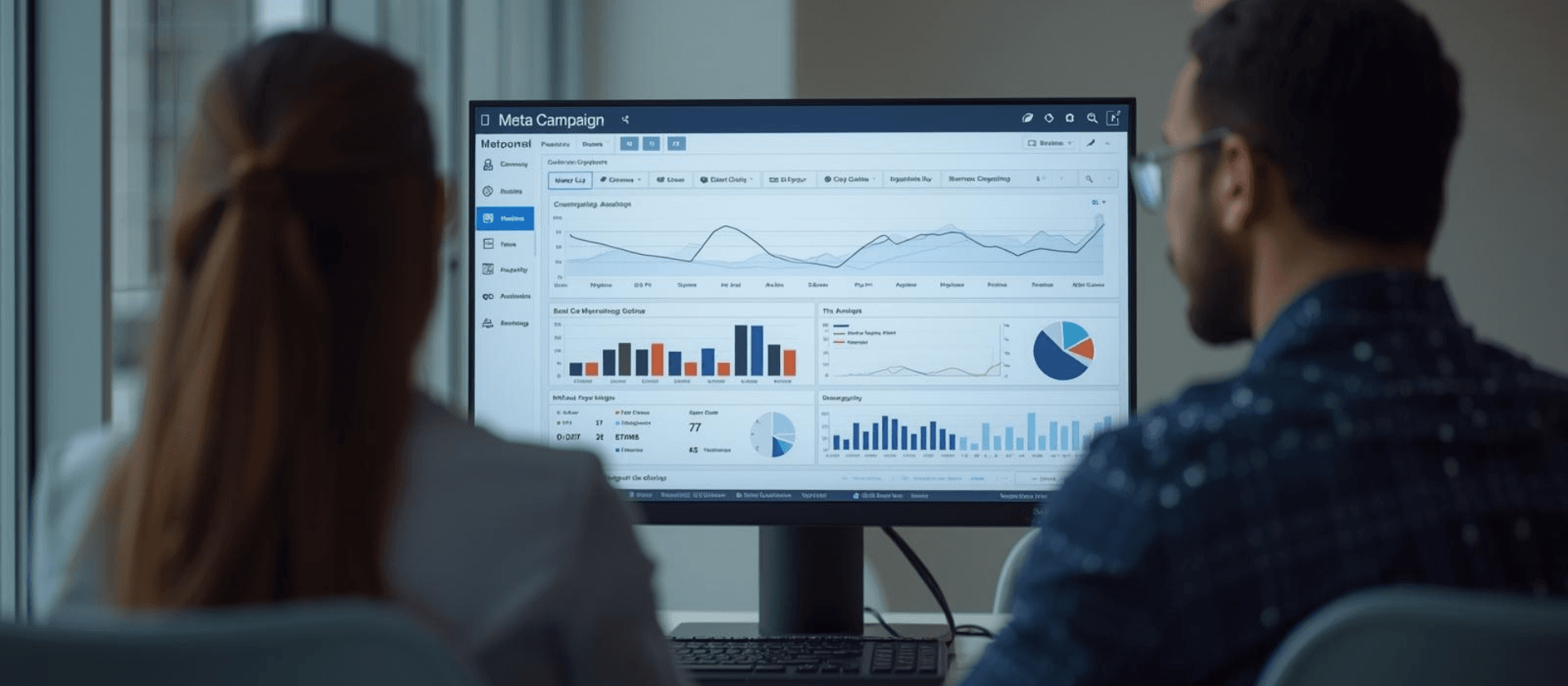
This problem is especially visible when scaling paid media campaigns: traffic comes in, but conversions stagnate, and ROAS drops, often leaving founders wondering why their ads “aren’t working” when the real culprit is the website’s UX.
Why UX Should Lead Design Decisions, Not Follow Trends
When you prioritize UX, design trends become a secondary consideration, not the other way around.
This approach ensures that every visual choice serves a purpose such as improving clarity, guiding attention, or reinforcing trust.
For Egyptian businesses that rely on ecommerce or lead generation, this means:
- Optimizing landing pages for conversion, not just aesthetics.
- Simplifying navigation so users find products, services, or information without friction.
- Designing for mobile first, considering that most users access websites via smartphones.
- Ensuring speed and performance to reduce bounce rates.
- Structuring content in a way that aligns with user expectations and decision-making psychology.
Trendy colors and animations are nice bonuses, but they should never override user-centric decisions.
At scale, the difference between a trend-focused website and a UX-focused website is measurable in revenue, retention, and long-term brand loyalty.
UX Decisions Also Protect Media Buying ROI
Paid traffic exposes UX flaws faster than almost any other factor.
A website that doesn’t guide users clearly wastes every dollar spent on ads.
Media buyers may report that ads perform “well,” but if the site frustrates visitors or complicates checkout, all that effort is wasted. In Egypt, this is a common blind spot, brands hire top-notch media buyers to drive traffic but neglect UX.
The result is a disconnect between ad spend and actual business results, making every campaign less effective than it could be.
Investing in UX before chasing trends ensures that traffic converts, clicks turn into revenue, and marketing budgets are not burned on inefficiency.
Design trends may attract attention for a few days, but UX sustains growth over months and years.
Final Thought
In Egypt, chasing design trends without prioritizing UX is like decorating a car that can’t start.
It may look amazing, but it won’t get you anywhere.
Business owners and agencies must shift the focus from what looks good to what works, making UX the foundation of every decision.
When UX leads design, websites become growth engines rather than static showcases, media buying scales effectively, and conversions become predictable rather than random.
FAQs
Why is UX more important than design trends for Egyptian businesses?
Because UX directly impacts user behavior, conversions, and revenue, whereas design trends primarily affect visual appeal without guaranteeing business outcomes.
Can a website be both trendy and user-friendly?
Yes, but trends should support UX, not dictate it. Visual elements should enhance clarity, guide attention, and reinforce trust rather than distract or confuse users.
How does poor UX affect media buying performance in Egypt?
Even if ads generate traffic, poor UX reduces conversion rates, inflates bounce rates, and lowers ROAS, making marketing spend less effective.
What are some key UX decisions that improve conversions?
Optimizing landing pages, simplifying navigation, mobile-first design, clear CTAs, fast load times, and structured content aligned with user expectations.